





asdas
Published date: 18/12/2025

BBI and Lateral Dx Partnership

LateralDX & BBI partnership announcement

By combining Lateral Dx’s advanced assay development capabilities with BBI Solutions’ ISO 13485-certified, scalable manufacturing infrastructure, the partnership enables customers to move from concept to commercial-scale production with reduced development timelines and enhanced product performance.

Under the agreement:

Lateral Dx will lead the design and optimisation of high-performance lateral flow assays, leveraging advanced antibody screening services, reader technologies, novel materials, quantitative development capabilities, and user-centric design principles.

BBI Solutions will provide end-to-end manufacturing, quality assurance, and regulatory support from its state-of-the-art facilities in Crumlin, ensuring consistent quality and scalability.

“The lateral flow diagnostics market continues to expand beyond traditional applications, and customers need partners who can deliver both innovation and manufacturing excellence,” said Mat Hobbs, Chief Commercial Officer at BBI Solutions. “Lateral Dx brings proven expertise in pushing the boundaries of sensitivity and specificity, which complements our track record of producing over 25 million diagnostic components annually. This partnership creates a genuinely streamlined pathway from initial design to commercial launch.”

“This partnership marks a significant milestone for Lateral Dx and addresses a critical need in the diagnostics industry,” added Richard Campbell, Managing Director at Lateral Dx. “By integrating our agile development approach with BBI’s proven manufacturing infrastructure, we’re creating a truly turnkey solution that dramatically reduces time-to-market and technical risk for our customers.”

The collaboration is already underway with several development projects, and a major commercial program is planned for 2026. This initiative will progress through full development to scaled production, showcasing the partnership’s ability to deliver end-to-end solutions that meet real-world diagnostic needs.

Both companies are committed to advancing global health through accessible, reliable diagnostics and will continue integrating emerging technologies—from enhanced signal amplification to next-generation materials and device formats—to maintain their competitive edge in the rapidly evolving lateral flow market.

About BBI Solutions

BBI Solutions is a trusted global provider of high-quality reagents and IVD manufacturing services. With decades of experience supporting diagnostic developers and manufacturers, BBI’s facilities are ISO 13485-certified and designed to deliver scale, consistency, and technical excellence throughout product lifecycles.

About Lateral Dx

Lateral Dx specialises in lateral flow assay development, transforming complex diagnostic challenges into practical, market-ready solutions. Based in Alloa, Scotland, the company’s expertise spans advanced conjugate chemistry, novel detection methods, and user-centric design, serving clients across human health, veterinary, food safety, and environmental sectors.

Media Contacts:

BBI Solutions Pamela Pirrit, Marketing Director, pamelapirrit@bbisolutions.com +44(0)7946 105594

Lateral Dx Richard Campbell Managing Director technical@lateraldx.com +44(0)1259 793041
Published date: 09/12/2025

Optimize every step of your assay

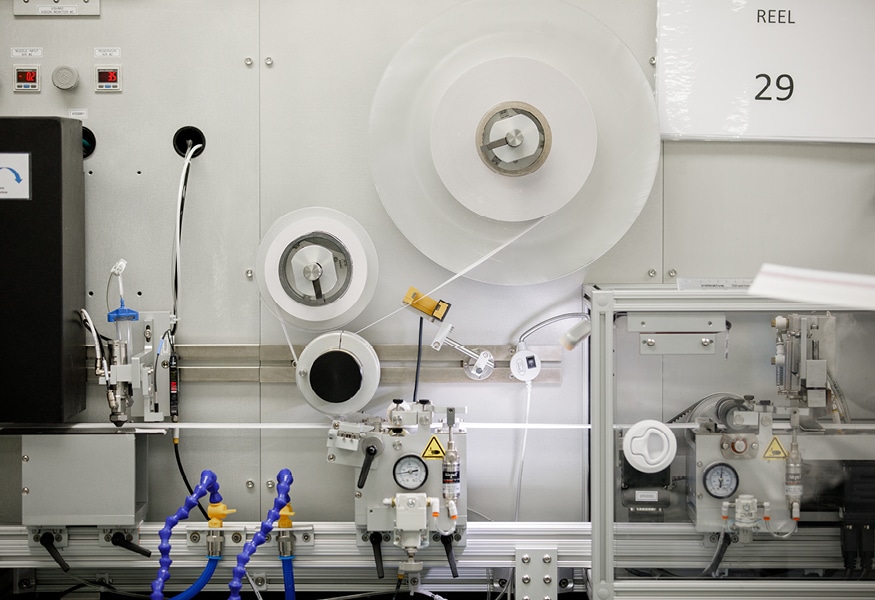
Machinery

Improve signal-to-noise ratios, reduce background interference, and strengthen stability with Surmodics and BBI reagents.

High-performing assays depend on the right reagents at each stage. BBI distributes the full Surmodics reagent portfolio in Europe, with exclusive access to their stabilizers and blockers, and distribution of their wider range of diluents, substrates, and stop solutions. Combined with BBI reagents, this creates a complete and reliable foundation for optimizing every step of your assay.

Surmodics reagents are trusted by more than 1,000 IVD manufacturers worldwide to improve signal-to-noise ratios, reduce non-specific binding, and support long-term stability. Whether you are troubleshooting interference, improving sensitivity, or refining assay precision, our team can help you select the right combination of Surmodics and BBI products for your workflow.

To request your meeting, please complete the form below:

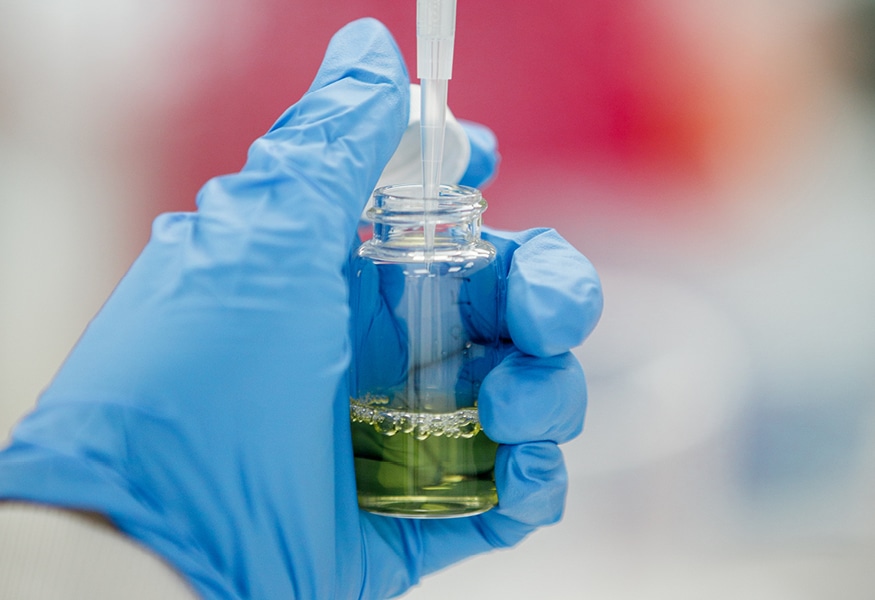
Scientist holding a vial

Published date: 05/11/2025

BBI and GADx Partnership

Global Access Diagnostics (GADx) and BBI Solutions Announce Strategic Collaboration to Accelerate Rapid Lateral Flow Product Development and Manufacturing for Commercial Customers

10 October 2025 – Bedfordshire, UK & Crumlin, Wales, UK – Global Access Diagnostics (GADx), a leading innovator in the design and development of in vitro diagnostic and lateral flow products and reagents, has today announced a strategic collaboration with BBI Solutions, a global expert in reagent development and scaled immuno-diagnostic product manufacturing. This partnership brings together two industry leaders to offer end-to-end solutions for commercial clients, significantly reducing time-to-market while enhancing quality, scale, and regulatory assurance.

The collaboration is designed to meet the evolving needs of the global diagnostics market by combining GADx’s deep scientific and regulatory expertise with BBI Solutions’ world-class manufacturing infrastructure. Together, the companies offer a seamless, scalable pathway from concept to commercialisation, delivering unrivalled value to customers seeking speed, flexibility, and technical excellence across human, veterinary, and agricultural immuno-diagnostic development.

Key benefits for customers include:

  • End-to-End Expertise: GADx’s comprehensive capabilities in assay design, product development, and clinical validation are fully integrated with BBI’s robust scale-up and manufacturing services, enabling a smooth transition from R&D to market launch.
  • Seamless Technology Transfer: The collaboration ensures exemplar technology transfer, enabling rapid scale-up and reducing product development timelines—essential for competitive market entry.
  • Enhanced Manufacturing Capacity: With BBI’s international footprint and scalable production systems, clients gain access to increased capacity for both reagents and finished products.
  • De-Risked Supply Chain: BBI’s specialist reagent development and incorporation into final products reduces the risk of supply chain disruptions and ensures consistent product performance.
  • Regulatory and Clinical Excellence: GADx’s proven regulatory and clinical services streamline global market access, supporting CE, UKCA, and FDA submissions with a flexible, client-centred approach.
  • Agile and Collaborative Service Model: Clients benefit from a collaborative partnership structure tailored to individual project needs, from early feasibility to post-market support.

“This collaboration unlocks tremendous value for our partners by aligning scientific innovation with high-quality, scalable manufacturing. Together with BBI Solutions, we can offer a truly integrated and flexible solution that meets the rigorous demands of today’s market.”

Dr. Mark Street-Docherty, Chief Executive Officer, GADx


“Combining our manufacturing strength with GADx’s exceptional development and regulatory expertise allows us to support customers more comprehensively than ever before. This partnership reflects our shared commitment to quality, speed, and customer success.”

Alexander A. Socarrás, Group CEO, BBI

The GADx-BBI Solutions partnership marks a significant step forward in delivering next-generation diagnostic solutions to global markets faster, more reliably, and with expert guidance at every stage.

About Global Access Diagnostics (GADx):

GADx (formerly Mologic Ltd) is a mission-led organisation that combines scientific excellence with global health impact. With deep expertise in human, veterinary and agricultural lateral flow and rapid diagnostics design and development. GADx provides end-to-end product development, technology transfer, regulatory services, and clinical evaluation tailored to commercial and global health partners.

About BBI Solutions:

BBI Solutions is a trusted global provider of high-quality reagents and IVD manufacturing services. With decades of experience supporting diagnostic developers and manufacturers, BBI’s facilities are ISO 13485 certified and designed to deliver scale, consistency, and technical excellence across product lifecycles.

For media inquiries, please contact:
GADx Media Relations

Email: info@globalaccessdx.com
Phone: +44 (0)1234 780020

BBI Solutions Communications

Email: info@bbisolutions.com
Phone: +44 (0)1495 363000

Published date: 30/10/2025

Double Your Shelf Life: Long Lasting Fast Glucose Enzymes

The modern glucose sensor faces a fundamental trade-off: high-turnover enzymes like glucose dehydrogenase (GDH) deliver the sub-5-second response times markets demand, but their enhanced activity often comes at the cost of long-term stability. While traditional glucose oxidase (GOx) can maintain activity for years in proper storage, early GDH formulations frequently showed significant degradation much sooner.

This “speed-versus-stability” dilemma has driven intensive formulation research, yielding sophisticated stabilization strategies that now routinely extend high-activity enzyme shelf life beyond 24 months. Through strategic use of glassy sugars, protective proteins, advanced matrices, and controlled packaging environments, today’s rapid-response glucose strips can match or exceed the stability of their slower predecessors.

The key insight: enzyme stability isn’t predetermined by molecular structure – it’s engineered through intelligent formulation design.

The Shelf-Life Paradox: Why Faster Can Mean Frailer

High catalytic efficiency typically correlates with structural flexibility. The same conformational dynamics that enable rapid substrate turnover can make enzymes more susceptible to thermal denaturation, oxidative damage, and moisture-induced degradation. PQQ-dependent GDH variants, despite their impressive activity advantage over GOx (up to 25x in one study referenced in our whitepaper), historically showed accelerated activity loss under standard storage conditions.

Early versions of PQQ-GDH had stability issues and lost activity faster than GOx when exposed to elevated temperatures or humidity stress. The enzyme’s enhanced flexibility, while beneficial for catalysis, creates more opportunities for irreversible unfolding and cofactor dissociation. This biological reality initially limited the adoption of high-speed enzymes in applications requiring extended shelf life.

However, this vulnerability is a formulation challenge, not an insurmountable limitation. Modern stabilization science has transformed enzyme preservation from art to engineering discipline, enabling rational design of protective matrices that preserve both activity and kinetics over extended periods.

Mechanisms of Decay You Must Arrest

Understanding degradation pathways guides effective countermeasures. Three primary mechanisms threaten glucose enzyme stability in dried test strip formats, whether you are looking at using GOx or GDH:

Thermal Denaturation & Cofactor Loss: Elevated temperatures cause protein unfolding and release of essential cofactors like FAD or PQQ. Even modest temperature excursions during shipping or storage can initiate irreversible structural changes.

Oxidative Self-Damage: Glucose enzymes often generate reactive species (H₂O₂ from GOx, quinone radicals from GDH) that can attack amino acid residues. Trace metal contamination catalyzes these oxidative reactions, accelerating enzyme degradation.

Moisture Plasticization: Water uptake softens dried enzyme films, increasing molecular mobility and accelerating chemical reactions. The transition from glassy to rubbery state dramatically reduces stability.

Each degradation mode requires specific protective strategies, leading to the layered defense approach that characterizes successful long-term formulations.

Four Layers of Formulation Defense

Defense Layer Protective Mechanism
Glassy Sugars & Polyols Replace water molecules, form vitrified protective matrix
Protective Proteins & Polymers Molecular crowding excludes denaturants, scavenge toxins
Cross-linking & Immobilization Stabilizes conformation, prevents enzyme leaching
Advanced Encapsulation Physical armor against environmental stress

Layer 1: Glassy Sugars & Polyols Trehalose, sucrose, and glycerol act as preferential hydration agents, replacing water molecules around the enzyme surface and forming a rigid glassy matrix upon drying. This “water replacement hypothesis” explains trehalose’s exceptional stabilizing power – it maintains the enzyme’s hydration shell while eliminating the mobility that enables degradation reactions.

Layer 2: Protective Proteins & Polymers Bovine serum albumin (BSA), casein, and synthetic polymers provide molecular crowding effects that stabilize native enzyme conformations. These macromolecules also act as sacrificial targets for oxidative species and can chelate trace metals that catalyze degradation. Synergistic combinations – such as sucrose plus gelatin – often outperform individual components.

Layer 3: Cross-linking & Immobilization Chemical cross-linking with glutaraldehyde or more biocompatible alternatives creates covalent networks that lock enzymes in stable conformations. While excessive cross-linking can reduce initial activity, optimal conditions preserve both activity and dramatically extend operational lifetime.

Layer 4: Advanced Encapsulation Sol-gel silica matrices, alginate hydrogels, and polymer nanofibers provide physical barriers against environmental stress while maintaining substrate accessibility. These approaches are particularly valuable for sensors requiring long-term in vivo stability.


Ready to dive deeper into enzyme kinetics optimization and stability strategies? Download our comprehensive white paper “Optimizing Enzyme Kinetics for Glucose Determination in Diabetes Assays” for detailed stability strategies, validated performance data, and regulatory considerations that will streamline your next enzyme decision.

[Download Full White Paper]


Packaging & Environmental Control

Even perfectly formulated enzymes require protective packaging to achieve multi-year shelf life:

Lyophilization Excellence: Proper freeze-drying with optimized lyoprotectants enables commercial GOx to retain specifications for 36 months at -15°C. The key lies in controlled nucleation, optimal freezing rates, and complete moisture removal without overheating.

Barrier Packaging Systems: Desiccant-containing vials with metallized barrier films maintain low water activity essential for stability. FDA-cleared glucose strips using this strategy demonstrate 2.2-year room-temperature shelf life – proving that ambient storage is achievable with proper moisture control.

Open-Vial Stability Management: Each vial opening introduces moisture that must be managed. Successful formulations include excess stabilizer capacity and design films that rapidly re-equilibrate to low water activity after brief exposure.

The packaging strategy must be integrated with formulation design – no amount of desiccant can compensate for inadequate intrinsic stability, while even robust formulations fail without moisture protection.

Speed-vs-Stability in Practice: A hypothetical 

Imagine a team that swapped slow-but-rugged GOx for lightning-fast GDH to hit a 3-second read time. The prototype wowed Product Management – until stability trials crashed at nine months. By reformulating with a trehalose-BSA-alginate matrix, they restored ≥90 % activity after a 180-day 45 °C stress test, a proxy for 24 months on the shelf. The launch stayed on schedule, and the per-strip enzyme load actually dropped because GDH turnover remained sky-high. Stability work paid for itself twice: longer dating and lower reagent cost. This is possible with innovative stability strategies.

Decision Checklist: Are You Formulation-Ready?

Green Light Indicators: Your formulation achieves ≥90% activity retention after 6-months stress testing at 45°C (an industry proxy for 2-year room temperature performance, using the Arrhenius Equation). Enzyme kinetics (Km, kcat) remain within ±10% of initial values throughout accelerated aging. No secondary chemistry degradation detected.

Yellow Flags: Mediator or buffer components degrade faster than the enzyme itself – this chemistry-limited scenario requires addressing the weakest link rather than over-engineering protein protection. Or moisture uptake exceeds an acceptable level during standard humidity exposure, indicating insufficient glassing or inadequate packaging barriers.

Red Stops: Accelerated aging reveals >15% shifts in Km values, suggesting fundamental changes in enzyme-substrate interaction that cannot be corrected through recalibration. Visible precipitation or color changes indicate severe formulation incompatibility requiring complete reformulation.

Critical QC Metrics to Monitor:

  • Residual moisture
  • Glass transition temperature (Tg) 
  • Peroxide scavenger capacity
  • pH stability throughout aging (buffer capacity validation)

Regulatory Snapshot

Documentation Requirements: CLSI EP25 guidelines mandate both real-time and accelerated stability data for FDA and IVDR submissions. Regulatory agencies consistently reject shelf-life claims lacking robust supporting evidence, making comprehensive stability studies non-negotiable rather than optional.

Process Change Vigilance: Seemingly minor modifications – new stabilizer grade, adjusted cross-linker concentration, or alternative drying conditions – can trigger requirements for bridging studies to demonstrate continued equivalence. Smart development teams validate stability margins early and document all process parameters to avoid regulatory surprises.

Global Considerations: Different markets may have varying temperature exposure expectations. Products destined for tropical climates require more aggressive stabilization strategies than those for temperate regions.

Key Takeaways

  • High-speed enzymes CAN achieve a long shelf life when protected through layered formulation strategies combining glassy matrices, protective proteins, and controlled packaging environments
  • Stability engineering pays double dividends – longer product dating improves commercial competitiveness while reducing lot-release testing frequency and inventory management complexity
  • Treat formulation as a core R&D discipline, not a last-minute optimization. Early stability work prevents costly reformulation delays during regulatory submission
  • Validate protection mechanisms systematically – each stabilization layer should demonstrate measurable benefit through accelerated aging before moving to combination studies
  • Package integration is essential – even robust formulations require moisture protection and temperature control to achieve full stability potential

You no longer need to choose between speed and stability. With disciplined application of modern formulation science, glucose sensors can deliver both rapid response times and extended shelf life -enabling the next generation of diabetes monitoring technology.


Ready to implement proven stability strategies? Download our comprehensive white paper “Optimizing Enzyme Kinetics for Glucose Determination in Diabetes Assays” for detailed stability strategies, validated performance data, and regulatory considerations that will streamline your next enzyme stability strategy.

[Download Full White Paper]


Published date: 08/10/2025

Three Ways Enzyme Kinetics Dictate Glucose-Sensor Accuracy

How enzyme kinetics affect glucose-sensor accuracy

Why kinetics come first

Every reading your glucose strip or CGM produces begins with a single catalytic event. If that event happens too slowly, too fast, or under the wrong conditions, accuracy drifts and ISO 15197 compliance slips. Three kinetic parameters-Km, kcat, and oxygen-dependence (or lack thereof)-do most of the damage. Nail them early and downstream verifications move faster; miss them and you will bleed time in redesigns, re-calibration, or regulatory queries.

Below we unpack each parameter, show how it skews performance in the real world, and outline proven levers-many of which BBI’s enzyme portfolio already puts at your fingertips.

1. Match Km to the Clinical Range to Protect Linearity

What goes wrong
Km is the glucose concentration at which the reaction rate is half of Vmax. Wild-type A. niger GOx sits in the 33–110 mM band—comfortably above physiological glucose—so signal remains proportional across 1–25 mM blood levels. Drop into an engineered low-Km oxidase and you risk saturating the enzyme around 15 mM, compressing the upper half of your calibration curve and producing high-bias readings in hyperglycemia.

Control Levers

Lever How it helps How to apply
Select higher-Km enzymes Preserves linearity at high glucose Stick with classic GOx or choose GDH-FAD variants engineered for Km ≈ 60 mM
Tune enzyme loading Higher load offsets a high Km to recover low-end sensitivity Data-log strip current vs. glucose at multiple loadings; pick the knee that meets both ends of the spec
Blend or mutate Combine high-Km backbone with affinity-boosting mutations only where needed BBI offers multiple grades of GOx so you can screen without starting a protein-engineering project

Quick Check

Plot sensor signal vs. 0–30 mM glucose after five seconds. If the slope falls off before 20 mM, reassess Km or mediator diffusion.

Observation Why it matters
Linear slope across 0–30 mM at 5 s Confirms the assay is still enzyme-limited, so sensor output is proportional to glucose in the clinically relevant band.
Early slope roll-off (<20 mM) Flags either:
Km too low → enzyme is already at Vmax and can’t report higher glucose
Mediator/glucose diffusion limit → electrons or substrate can’t reach the enzyme fast enough

Additional Quick-Check Tips

  1. Run duplicate strips in 5% O₂ and 21% O₂
    • If only the low-O₂ data go nonlinear, the culprit is oxygen dependence (GOx).
    • If both curves break, focus on Km or mediator concentration.
  2. Log current density (µA cm⁻²) vs. glucose, not raw meter output

    Normalising for electrode area makes results portable between lab cells, pilot strips, and production lots.

Some caveats to remember:

  • Integration vs. snapshot: Some meters integrate charge over 5 s rather than reading an instantaneous current. If yours does, set your potentiostat integration window to match.
  • Temperature drift: Km and diffusion coefficients shift with temperature. Keep the plate at 30 ± 0.5 °C or run at both 25 °C and 37 °C so surprises don’t appear during stability trials.
  • High-glucose edge cases: ICU and dialysis samples can exceed 30 mM; consider extending the curve to 40 mM if those markets matter.

You’ll know within half an hour whether to tweak Km by picking a different enzyme grade or to open the mediator/diffusion throttle instead.

2. Exploit kcat without breaking diffusion limits

What goes wrong
Higher turnover (kcat) shortens response time, but only until the reaction becomes limited by glucose or mediator diffusion. PQQ-GDH clocks 5 000–10 000 U mg¹-≈25× GOx-yet if the strip’s diffusion path can’t feed it, signal plateaus early and meter electronics mis-time the endpoint.

Control levers

  • Calibrate kcat to strip architecture – For a five-second finger-stick meter, activity around 700 U mg¹ (modern fungal GDH-FAD) hits time-to-read targets without starving itself.
  • Right-size enzyme mass – Fast enzymes need less protein; trimming load lowers strip cost and reduces batch-to-batch variability.
  • Balance mediator kinetics – A kcat boost is pointless if the ferro/ferricyanide couple lags; adjust mediator concentration to keep the electron shuttle rate higher than Vmax.

BBI advantage
Because BBI manufactures multiple grades of GOx and GDH under ISO 13485, you can order the same activity grades you screened in R&D at production scale-avoiding the “re-code every new lot” headaches of commodity supplies.

3. Remove oxygen dependence to erase altitude and haematocrit bias

What goes wrong
GOx consumes O₂. At high glucose or low ambient O₂ (capillary specimens at altitude, CGM tissue sites), the reaction slows, artificially lowering readings. Mediated strips reduce but do not eliminate the effect; CGMs feel it most because tissue O₂ is ~⅓ arterial.

Control levers

  1. Go oxygen-independent. Modern GDH-FAD transfers electrons directly to a mediator, making the assay insensitive to O₂ swings-if interference is engineered out.
  2. Engineer specificity back in. Protein-engineered GDHs now match GOx’s glucose exclusivity [reference specificity of a BBI GDH product].
  3. Validate under stress. Run accuracy panels at 5 % and 21 % O₂, across 20-60 % haematocrit. If bias changes by > ±2 mg dL¹ between conditions, revisit enzyme choice.

Pulling it together-A kinetics checklist for your next design review

  1. Map Km vs. clinical range – ensure proportionality at the extremes.
  2. Benchmark kcat to diffusion – faster isn’t always better.
  3. Stress-test oxygen effects – if GOx passes, fine; if not, move to GDH.
  4. Lock supplier consistency – insist on ISO 13485, batch COAs showing activity and Km.
  5. Document lot-control strategy – regulators want traceability as much as accuracy.

Where to go deeper

This post cherry-picked the highlights. The full  whitepaper “Optimizing Enzyme Kinetics for Glucose Determination in Diabetes Assays” contains:

  • Comparative Km/kcat tables for 9 enzyme variants
  • Shelf-life curves for stabilised vs. unstabilised formulations
  • Regulatory checklists you can paste into a 510(k)
  • All the data sources

Want the full picture? Download our free White Paper on diabetes biosensors for deeper insights.

Access your whitepaper


Published date: 19/09/2025

Our new recombinant Glucose Dehydrogenase enzyme

Advancing diabetes care, together

Our new recombinant Glucose Dehydrogenase enzyme

We’re excited to introduce a recombinant FAD-dependent Glucose Dehydrogenase (FAD-GDH) designed for use in continuous glucose monitoring devices – supporting more accurate and reliable diabetes management.

Manufactured in the UK as a primary manufacturer

Scalable to bulk quantities to meet global demand

Verified in-application performance

Samples now available

By combining scientific precision with scalable supply, we’re helping manufacturers bring better solutions to people living with diabetes.

Contact us to request samples.

Contact Us
Published date: 02/09/2025

WHO Issues New Neonatal Sepsis Diagnostics Guidance – Understanding the Urgency

Newborn with medical monitoring, illustrating advances in neonatal infection diagnostics

The World Health Organization (WHO) has released a new Target Product Profile (TPP) to guide the development of in vitro diagnostic tests for serious bacterial infections in infants aged 0–59 days, including neonatal sepsis, which accounts for 15% of newborn deaths globally.


Key insights from the WHO report:

  • 2.3 million newborns die annually, mostly in low- and middle-income countries.
  • 84% of infection-related deaths could be prevented with early diagnosis and appropriate treatment.
  • Current diagnostics (e.g., blood cultures, molecular tests) can be slow, expensive, and impractical in many settings.

WHO calls for rapid, low-volume, point-of-care tests that can be used in both hospital and primary care environments. Biomarkers like CRP and Procalcitonin are highlighted as part of hospital-based diagnostic algorithms, but they are not yet widely accessible or validated for use in all settings.


Why This Matters for Diagnostic Developers working in Neonatal Sepsis Testing

The WHO TPP outlines both essential and desirable characteristics for new tests, essential characteristics include:

  • High sensitivity (≥90%) and specificity (≥70–80%)
  • Fast turnaround time (≤30 minutes)
  • Low hands-on time (<10 minutes)
  • Use of low blood volumes (≤100μL)

These criteria are designed to support clinical decision-making, reduce unnecessary antibiotic use, and help prevent antimicrobial resistance.


Supporting Innovation in Sepsis Diagnostics

At BBI, we provide validated antibodies and antigens for key inflammatory markers, including CRP and IL-6 antibodies:

Developed to the highest quality standards under ISO13485, and with immunoassay performance including Lateral Flow for assurance in point-of-care application testing.

For more bespoke, innovative needs, our decades of antibody development expertise can help. Our mission is to help support diagnostic developers and researchers globally in working for better health outcomes.

📚 Read the WHO TPP Guidance: In vitro diagnostic tests for serious bacterial infection, including neonatal sepsis, among infants aged 0–59 days: target product profile

🔗Contact BBI: Contact us

Published date: 25/07/2025

Celebrating 70 years of enzyme excellence at our Cape Town facility

This year marks a major milestone for BBI as we proudly celebrate 70 years of continuous contribution and leadership from our Cape Town site — the foundation and strength behind BBI’s enzyme manufacturing legacy.

Established in 1954, this facility is BBI’s longest-standing site and a vital part of our global operations. Over the decades, it has grown into a strategic manufacturing hub, producing a diverse portfolio of native enzymes and proteins used in diagnostic assays worldwide.

Among these is horseradish peroxidase (HRP), with production now exceeding 30 billion units annually — a clear testament to the site’s scale and its impact on the global in vitro diagnostics (IVD) industry.

To commemorate this incredible journey, we hosted a celebration event on 23rd May, bringing together local employees, members of the BBI leadership team, supplier partners, and government representatives.

“This site reflects our long-term commitment to advancing diagnostics, together — powered by people, strengthened by partnerships, and anchored in a shared purpose to improve health and save lives through sustainable innovation.”

Alex Socarrás, Group CEO, BBI Solutions

We continue to innovate and partner with our suppliers to drive sustainable practices through monitoring systems, utilizing solar infrastructure and enhanced quality systems. BBI are proud to be investing in a future that is sustainable, secure, and science-led.

As we look ahead to the next 70 years, we extend our deepest gratitude to our people, partners, and community for being an essential part of our journey to advance health, together.

Published date: 22/07/2025

Atomo and BBI enter into Collaboration Agreement

Atomo Diagnostics Limited (Atomo) and BBI are pleased to announce that they have entered into a strategic business arrangement under which both parties have agreed to share business development efforts to bring together their unique and complimentary technology, knowhow and IP in order to meet their customers’ rapid diagnostics needs.

By combining the offering of Atomo’s unique fully integrated rapid test platforms with BBI’s deep expertise in lateral flow assay development, manufacturing, and digital app solutions, the parties are able to build on their successful existing partnership. The non-exclusive agreement will allow both parties to offer full design, development and production solutions to those looking to bring new tests to market, and expand existing portfolios, as the rapid diagnostics market continues to grow and evolve post-pandemic.

Atomo CEO John Kelly said “Atomo and BBI have had the opportunity to work together in the past and this extended agreement seeks to strengthen the relationship such that both parties can reach a broader audience, particularly in the UK and Europe and Asia-Pacific where BBI has extensive business infrastructure, with a full-service rapid diagnostics solution. This is a tremendous opportunity for us to accelerate growth across international markets and a recognition by both parties of their unique skill sets being applicable to the growing consumer focused rapid test market where ease of use and app functionality are critical.”

BBI CEO Mario Gualano wrote “I am delighted that our relationship with Atomo continues to strengthen extending our flexible solutions to drive and deliver exceptional products for our customers evolving needs.  The opportunity to combine BBI’s expertise and commercial reach in lateral flow development and manufacture, and BBI’s patented NovarumTM digital technology, with the flexibility and quality of Atomo’s integrated platforms, creates value and offers an elegant solution for our customers”.

Published date: 22/07/2025

‘One BBI’ – Enhancing your experiences with us

BBI are committed to constantly enhancing customers experiences with us. As part of that ethos, we are excited to announce a transformative initiative that will simplify and streamline the global ordering process for our customers, starting in January 2024. We call it ‘One BBI,’ and it’s designed to make your interactions with us more efficient and convenient.

The ‘One BBI’ project aims to consolidate your transactions with BBI into a single trading entity while ensuring that you have access to our full range of products and services across the globe. This initiative will offer you several benefits:

1: Simplified Accounts: With ‘One BBI,’ you will have the opportunity to streamline your accounts by dealing with a single trading entity within BBI.

2: Greater Convenience: If you currently transact with multiple BBI entities worldwide, such as BBI and Diarect GMBH in Germany, you will be able to choose the most convenient trading entity for your business needs. This change will not disrupt your access to the products you have already purchased.
3: Access to a Wider Portfolio: ‘One BBI’ will open up access to our complete product portfolio across all BBI global locations, providing you with a broader range of options to meet your requirements.

Our dedicated account managers are here to assist you throughout this transition. If you have any questions or would like to learn more about ‘One BBI,’ please do not hesitate to reach out to your account manager. They will be more than happy to discuss any inquiries you may have and guide you through the process.

We believe that ‘One BBI’ will significantly enhance your experience when dealing with us and improve the efficiency of your transactions. We value your partnership with BBI and look forward to serving you even better with ‘One BBI’ in the coming year.

If you have any questions, please reach out to your account manager, or you can contact our support team on info@bbisolutions.com.

SIGN-UP

Keep in touch

Put performance data, early reagent releases, and news & offers in your inbox. Join us in advancing health, together.

This field is for validation purposes and should be left unchanged.